This is an open letter from Bertram Niessen — President and Scientific Director of cheFare, italian agency for cultural transformation — to put new cultural centers under the spotlight. We want to develop our international network of partners and we think that the first step in doing that is to explain what we are working on, and why.
New cultural centers are everywhere
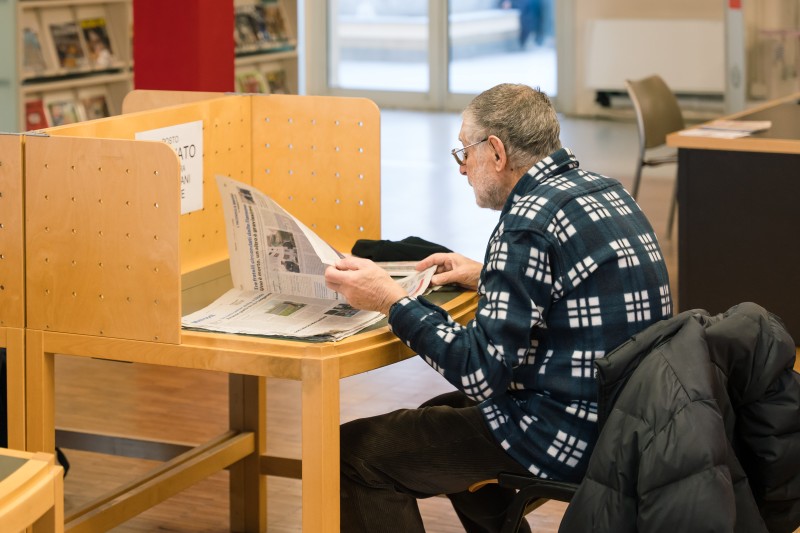
They are artist residencies in mountain villages. Public restrooms, where those who don’t have a home can shower, that also serve as stages for poetry readings. Factories and barracks transformed into auditoriums, exhibition spaces, community restaurants. Squats that become clubs, dance studios, printing workshops. Clubs for elderly people welcoming curious retirees and young robotics aficionados. Despite the tens of thousands of people passing through their spaces, new cultural centers are little known, little researched, and rarely talked about. For many, they are unique places. For many others, they are “places for kids” because proper culture can only be made within universities, companies, newsrooms, and big museums. At cheFare, we know it’s not like that.
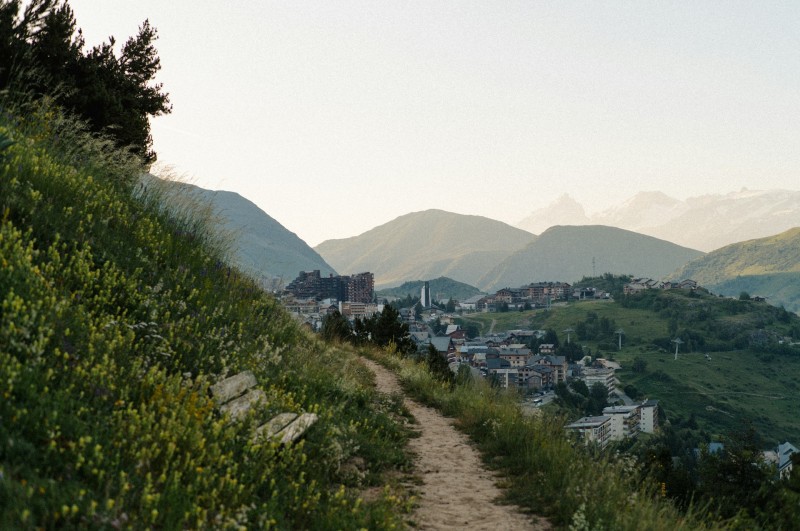
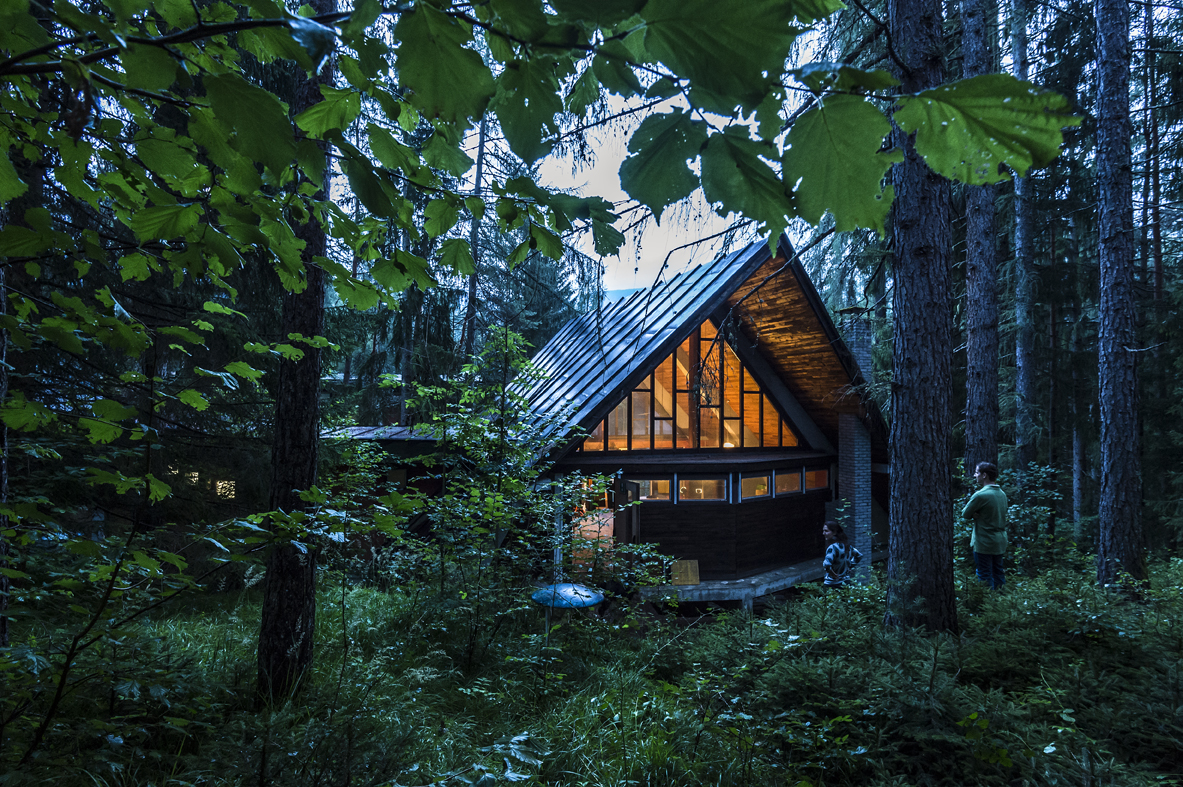 Il nuovo centro culturale dell'ex villaggio ENI di Borca di Cadore, già protagonista del nostro programma di residenze artistiche BAGLIORE.
I’m Bertram Niessen, President and Scientific Director of cheFare [What Is to Be Done], a Milan-based agency for cultural transformation. We’re a second-level organization for the empowerment of cultural grassroots projects. We work in partnership with 10 national networks and second level organization that officially group several new cultural centers. We do not formally represent them, but we set frameworks of action and create common grounds. We operate in three operational fields: production/curation of the cultural debate related to local activism; cultural economy; digital humanities; digital cultures; art, design, literature related to politics (articles on our website, books); production of cultural projects with national and international networks: public art; conferences; release of archives; prizes; research; crowd-sourced definitions of new vocabularies; we work as a think tank, and we provide advisory services to big institutions, grassroots activists, cultural organizations, and public administrations.
Since our opening in 2012, we have progressively focused on new cultural centers as unique places where an intersection of contemporary cultural practices can be found, researched, and developed. To support and discover these places, in 2020, we launched laGuida, a cheFare national program for the empowerment of new cultural centers in Italy. These unique places can be found all over Europe. In Italy, they play an important role in the production and consumption of culture for many different kinds of audiences.
There are different types of spaces and they are called: spazi culturali indipendenti (independent cultural spaces); spazi culturali polifunzionali (multifunctional cultural spaces); centri culturali di nuova generazione (next-generation cultural centers); spazi ibridi (hybrid spaces).
Each new cultural center is radically different from the other, both from a social and political perspective, and in their approach to cultural activities and aesthetical statements.
New cultural centers have some key characteristics in common: they are of small/medium dimensions; they host diversified/heterogenous spaces: libraries, cafes, restaurants, workshops, theaters, concert halls, exhibition spaces, maker spaces, co-working areas, etc.; they are places for many kinds of cultural practices: artist residencies, concerts, DJ sets, performances, festivals, exhibitions, book presentations, community gardens, courses, digital manufacturing, cine-forums; they reach a mix of different audiences: young people, elders, professionals, migrants, etc.; they support the development and/or empowerment of local communities, communities of practice, art scenes, activist networks, etc.; they are sustained through a funding mix strategy; they promote a vertical approach to cultural experimentation: new languages, new technologies, new forms of participatory and collaborative culture; they support the development of local, social, and, cultural capital, which is deeply connected with the improvement of social cohesion; they are local hubs for Creative and Cultural Industries; they challenge public administrations, and encourage them to take on courses for institutional learning; they can be key actors in the valorization of material and immaterial cultural heritage.
New cultural centers are spread all over the country: in the North, the South, metropolitan areas, small villages, city centers, suburbs, inland mountain areas, and coastal regions. They are represented by several local and national networks, but, at the same time, they don’t have a precise and defined place in the representation of the Italian cultural sector. They have a clear and established local identity, but they lack national recognition as key places for culture. This is why we have decided to build laGuida, a national program organized into many different phases. In September 2019, we ran BAGLIORE, a residency program in 6 new cultural centers in small villages and big cities: Ex Villaggio ENI in Borca di Cadore, Officine Culturali in Catania, Pollinaria in Civitella Casanova, Cre.Zi Plus in Palermo, Ex Fadda in San Vito dei Normanni and Bagni Pubblici di via Agliè in Turin. 6 young writers wrote 6 reports on the new cultural centers, gathered in a book published by Il Saggiatore, one of the main publishing houses in Italy.
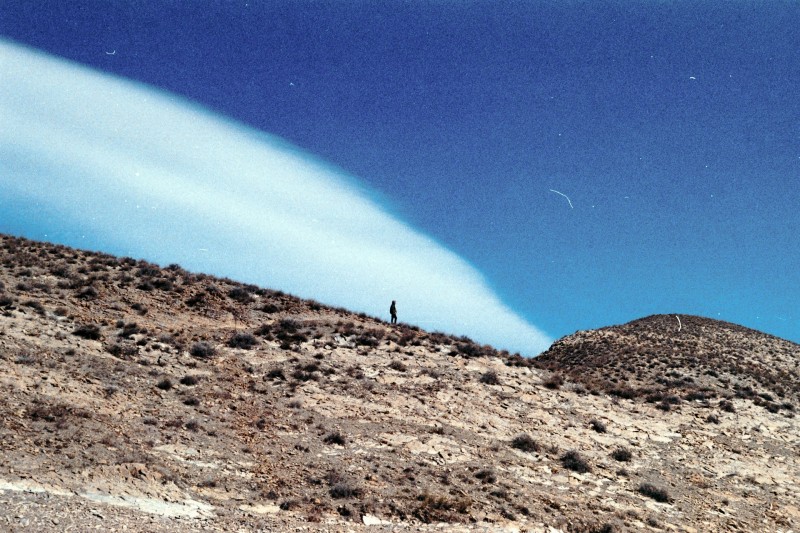
 I panorami rurali di Pollinaria, a Civitella Casanova
In October 2019, we organized Molto Presto [Very Soon], a two-day gathering at the Triennale Milano in which we investigated the main challenges for the new cultural centers' activities, from an economic, organizational, and cultural point of view, together with third sector organizations, social enterprises, researchers, and policymakers. In February 2020, we launched laCall to Action, a nationwide survey to map new cultural centers in Italy. At the moment, we have identified more than 700 new cultural centers and organizations, and we are working with universities on the systematization of the dataset. In March 2020, we launched laGuida, a festival for new cultural centers in the northwest of Italy (Piedmont, Liguria, and Valle d'Aosta regions) funded by the Bank Foundation Compagnia di San Paolo. The first edition of laGuida focused on cultural participation and gathered nearly 70 cultural centers and dozens of researchers and policymakers in workshops, conferences, and seminars. The result of this 6-month long project is a set of 11 policy proposals that we are developing and implementing together with universities, research centers, and second-level organizations. In 2021, we are now working on laGuida as a research project about the collaborative challenges among institutions and alternative cultural spaces in the field of contemporary culture (contemporary art, performing arts, experimental cinema and music, and so on). The research focuses on the city of Milan and Lombardy - one of the regions that have been hit more dramatically by the Coronavirus pandemic crisis. The research project is funded by the Bank Foundation Fondazione Cariplo, and we are working on identifying patterns and possible policy guidelines to establish collaborative procedures and policies in the general framework of the so-called proximity city, also known as the “15-minute city”.
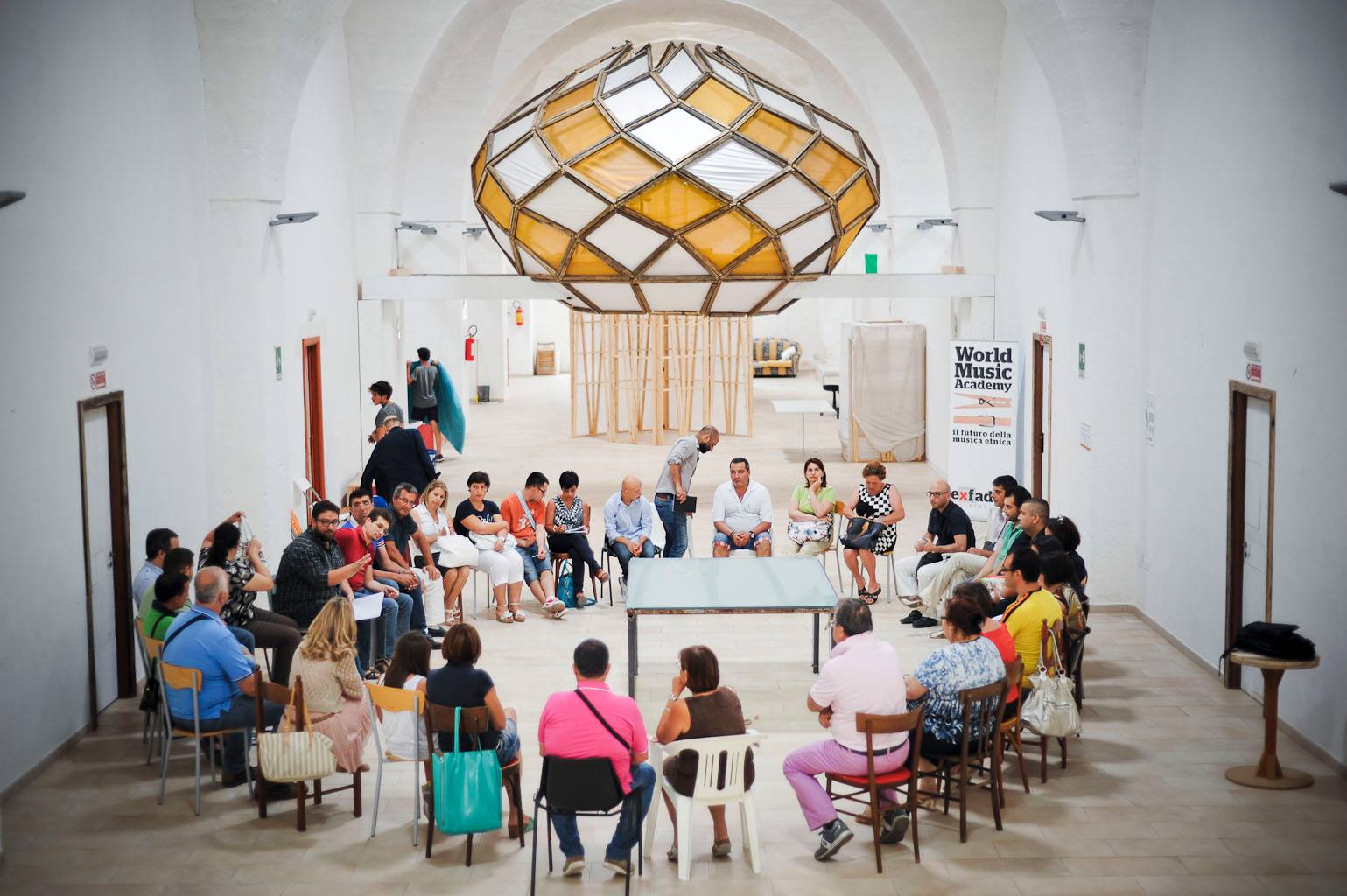 Gli spazi di ExFadda, a San Vito dei Normanni
What we have learned: It’s urgent to define new policies of integration, collaboration, and cross-pollination between traditional cultural institutions and new cultural centers because the new cultural centers are strategic actors for the production and dissemination of culture in a pandemic and post-pandemic world; It's important to build macro definitions at the theoretical and operational levels and share them with the academic community. Today, the lack of standard definitions weakens the action of policymakers at a national and international level. It’s fundamental to collect and share experiences at 3 levels: curatorial experiences; institutional learning from policymakers; new experimentations concerning the economic sustainability of these places; It's important to work with the gatekeepers in the traditional cultural sector to translate the forms of value produced by new cultural centers into other languages.
What we want to do
In order to further develop this research and advocacy path, we would like to discuss the role of new cultural centers with second-level organizations outside of Italy. We want to exchange experiences and knowledge and engage in conversations that could spark collaborative projects with like-minded organizations around Europe. We believe that new cultural centers can be a powerful kickstart for European culture after Coronavirus, and we need help to put them under the spotlight. Write us a mail.